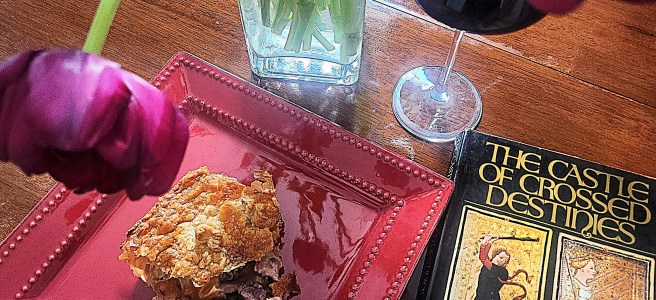
The author Italo Calvino is not for all readers, a fact for which I am grateful and for which I love him and his writing even more. Reading this book in particular is like taking a semiotic journey through a vaguely medieval setting in which signs and symbols abound, but that take on multiple meanings as you continue through the landscapes that are the books of Calvino. Probably my favorite of his books, The Castle of Crossed Destinies combines the fantastical elements of the Tarot, a setting reminiscent of The Canterbury Tales, a series of stories that bring to mind The Decameron and Bocaccio’s opulent style of storytelling, and a sense of being lost in a dark fairytale that is made even more shadowy and ominous by the fact that none of the many characters in the book can speak.
Let me explain. The basic premise of this book is that several travelers all come together at a castle in the middle of a mysterious forest in a setting that brings to mind the Middle Ages. They are served food and wine by the the lord and lady of the castle and when they attempt to speak, introduce themselves and share their individual stories, they find that they are all strangely struck dumb. Not a single one can speak. The lord of the castle, similarly muted, produces a pack of medieval Tarot cards and each traveler is allowed the opportunity to pick several cards with which their tale will be told by our narrator.
Of course, the amusing irony in this is that each story is completely open to interpretation by each other traveler and most importantly, by the reader. I loved how the narratives interwove with one another and allowed for so many different meanings. It also makes you wonder if the narrator himself is deceiving or misrepresenting the stories of his fellow mute travelers, especially as he is somewhat hesitant to share his own story. Particularly in the second part of the book, he hems and haws about which particular cards with which to tell his own tale to such a degree that it makes the reader wonder exactly what he is trying to hide. There is a strong sense of “methinks the lady doth protest too much,” which is ironic considering how many references to Shakespeare there are in this book. The second half of the book, in particular, is strongly informed by characters, themes and subtexts from European literature, in particular, Macbeth, Hamlet and my own personal favorite King Lear. There are also references to The Holy Grail, Faust, Oedipus, and Homer.
Calvino is a writer whose work can be read on many varying levels. Obviously, he is a scholar first and you can open his books with the perspective of trying to analyze all of the complex meanings, the metaphors and similes and symbolism inherent in each beautifully written sentence. That is likely what many people do, and his work is meant to make you consider the world around you in a different way. I, however, am traumatized by the amount of literary criticism and analysis I had to do in graduate school and so as a result, I purposely read books without trying to analyze them from a literary theory standpoint. In this case, I simply enjoyed the various stories, the construct of the narrative and the facile interpretations of the different Tarot cards. (Calvino was inspired by the Bembo Tarot cards that were designed for the Milanese dukes in the 15th century.)
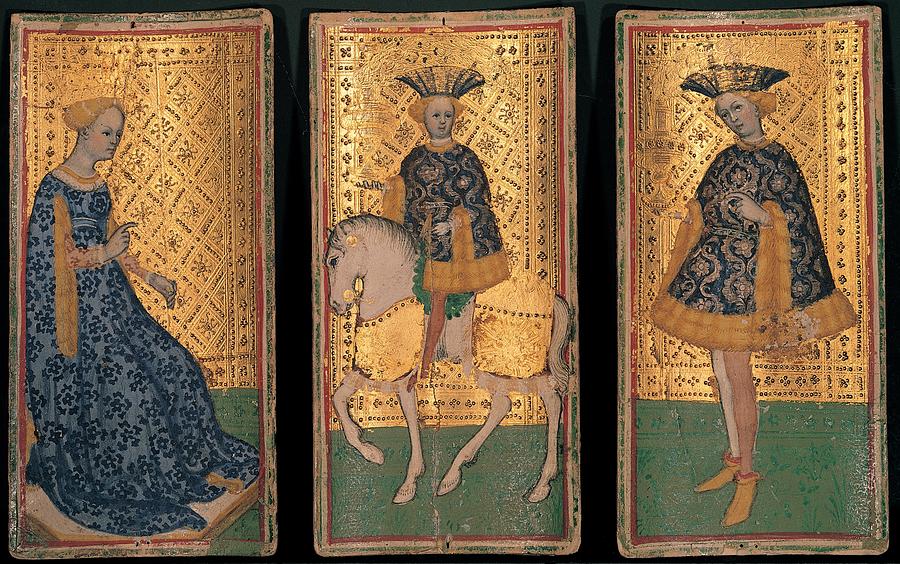
The book is broken into two parts – “The Castle of Crossed Destinies” in which we meet our garrulous narrator, and “The Tavern of Crossed Destinies,” that also features a group of wandering travelers who are similarly struck mute who congregate in a tavern and tell interlocking tales. The use of Tarot cards to tell each individual story is recreated in the second part of the book as well, though the narratives are a bit more focused on literary characters as opposed to the first part of the book, which was very reminiscent of The Canterbury Tales. Both segments of the book play with semiotics in such a marvelous way. Words have meaning, we all know that. But a word can have so many meanings to so many different people that it really is a value judgement as to what words and symbols really mean. The tarot is actually the perfect vehicle for telling these tales, since there are so many meanings attributed to each card, and the details within each card also have their own diverse meanings and interpretations.
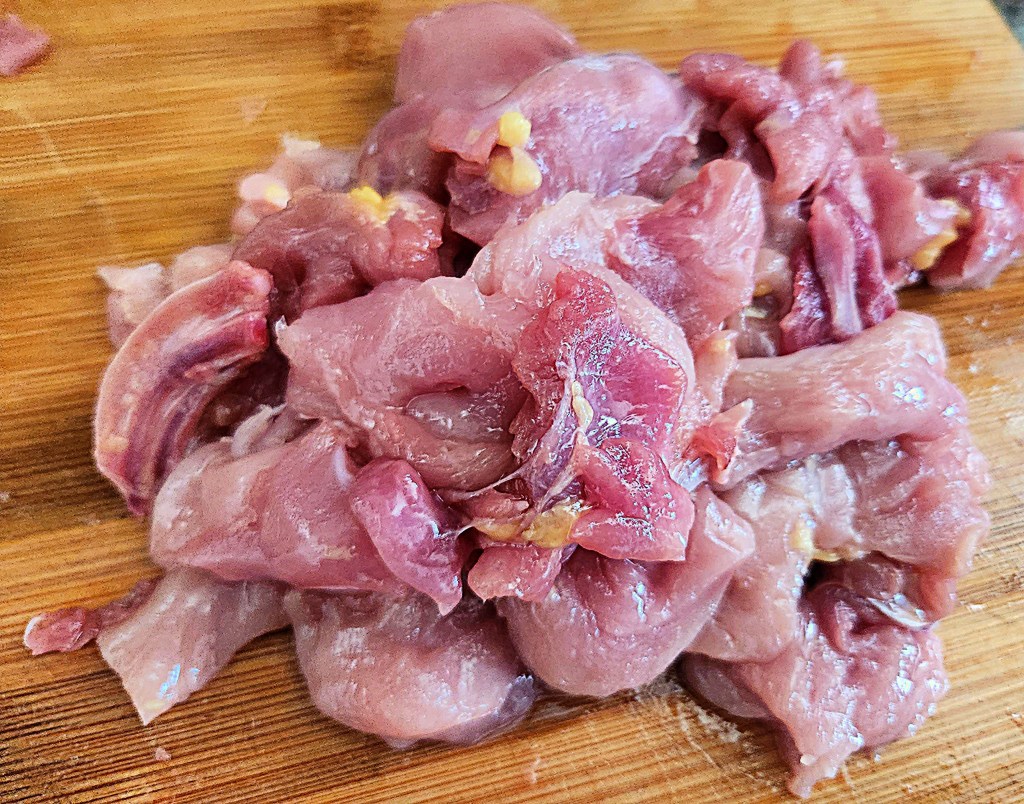
The food reference that inspired today’s dish is at the beginning of the book, when the narrator comes across the castle and is invited silently to join the meal, at which no one speaks a word and the silence is broken only by the sound of eating and drinking.
“When a guest wished to ask his neighbor to pass the salt or the ginger, he did so with a gesture, and with gestures he also addressed the servants, motioning them to cut him a slice of pheasant pie or to pour him a half pint of wine.”

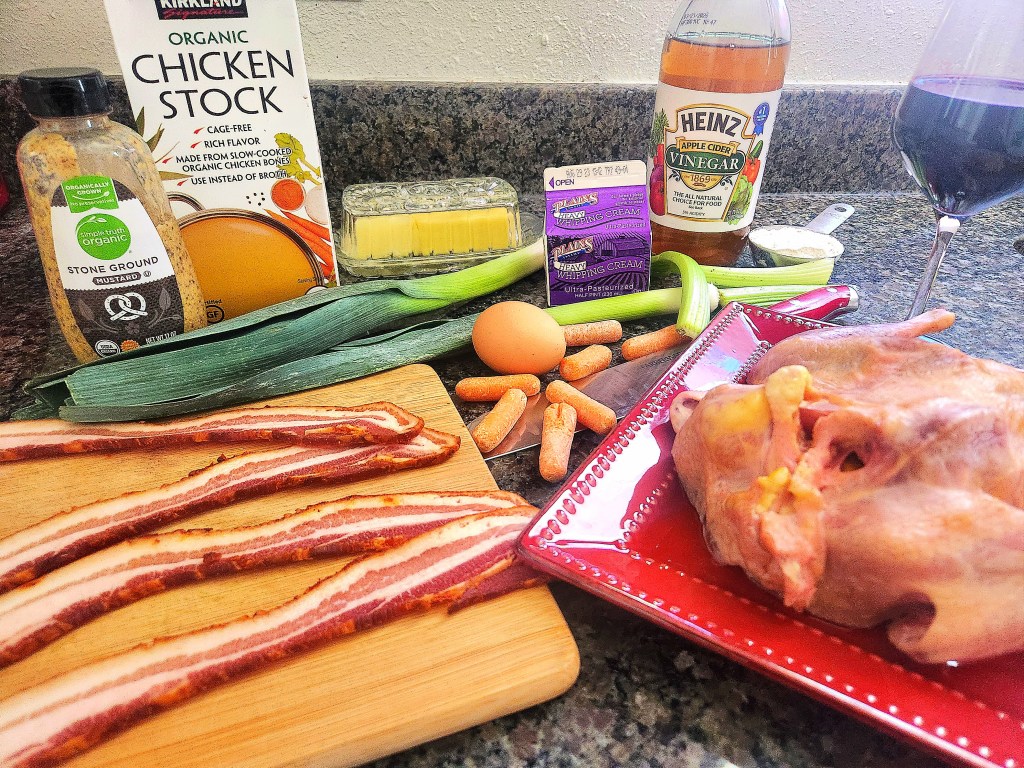
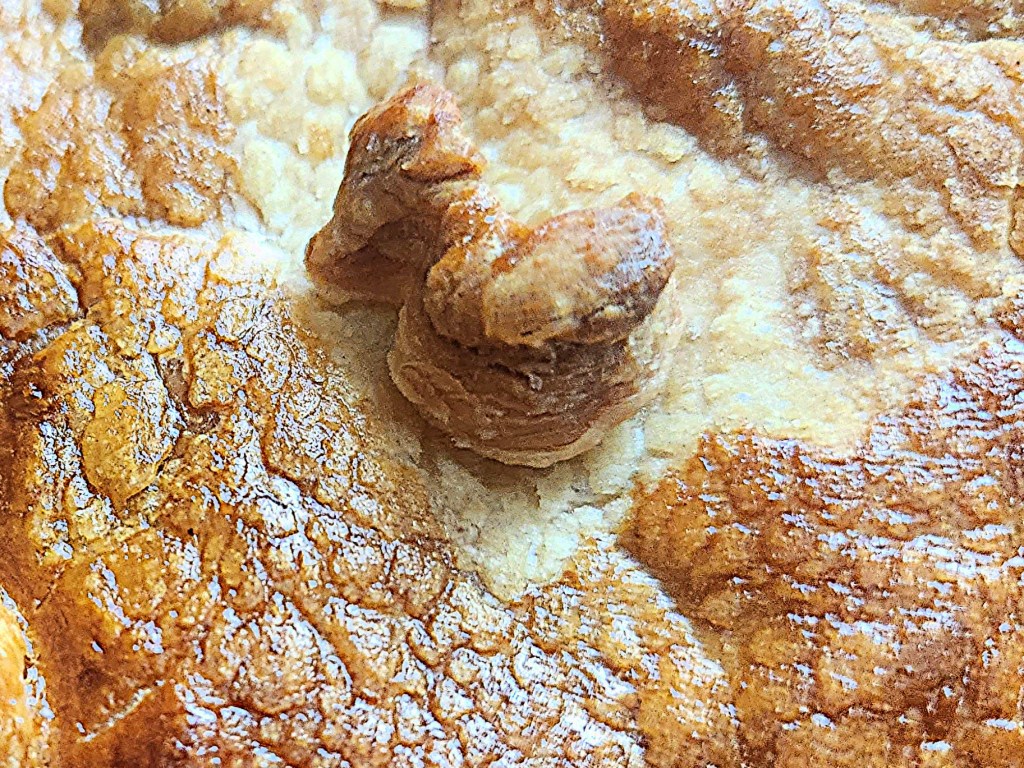
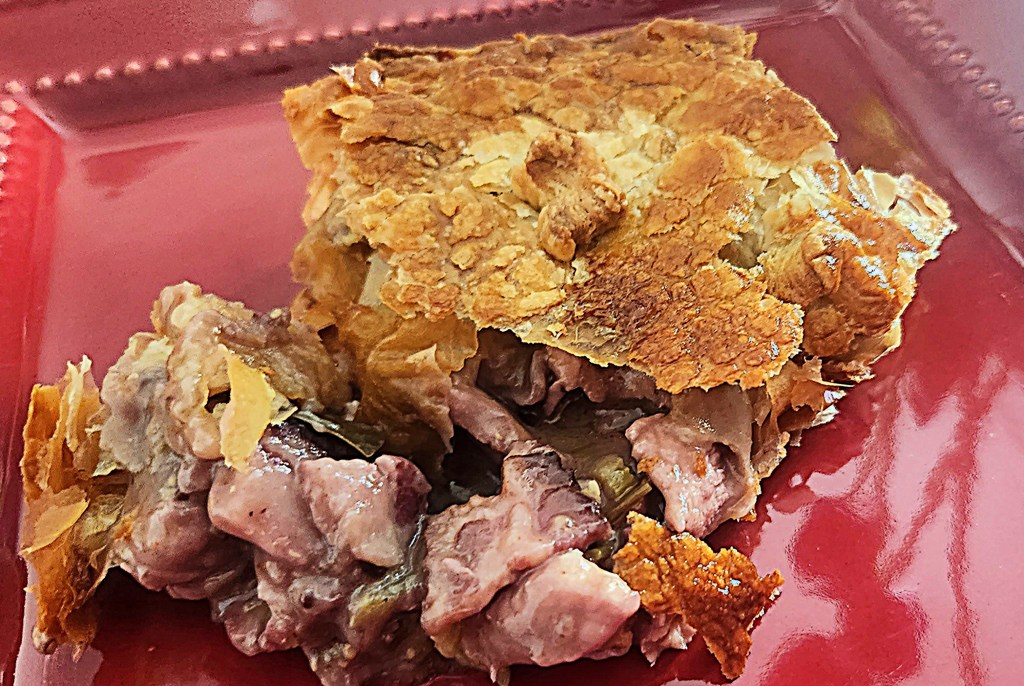
I’d never eaten pheasant before, so this seemed like the ideal time to try out a recipe I’ve had for quite awhile now: pheasant pie with leeks, bacon, and red wine. I also got fancy and made little bird-shaped decorations from the leftover puff pastry dough….yes, I like a little kitsch with my food. Deal with it.
INGREDIENTS
1 sheet of puff pastry (you can make it yourself if you want to give yourself more work and dishes to wash)
2 tablespoons olive oil
1 tablespoon unsalted butter
2 pounds of pheasant meat, boned, skinned and cut into chunks (Please ask your butcher to do this for you. Don’t do what I did and attempt it on your own. It was a bitch.)
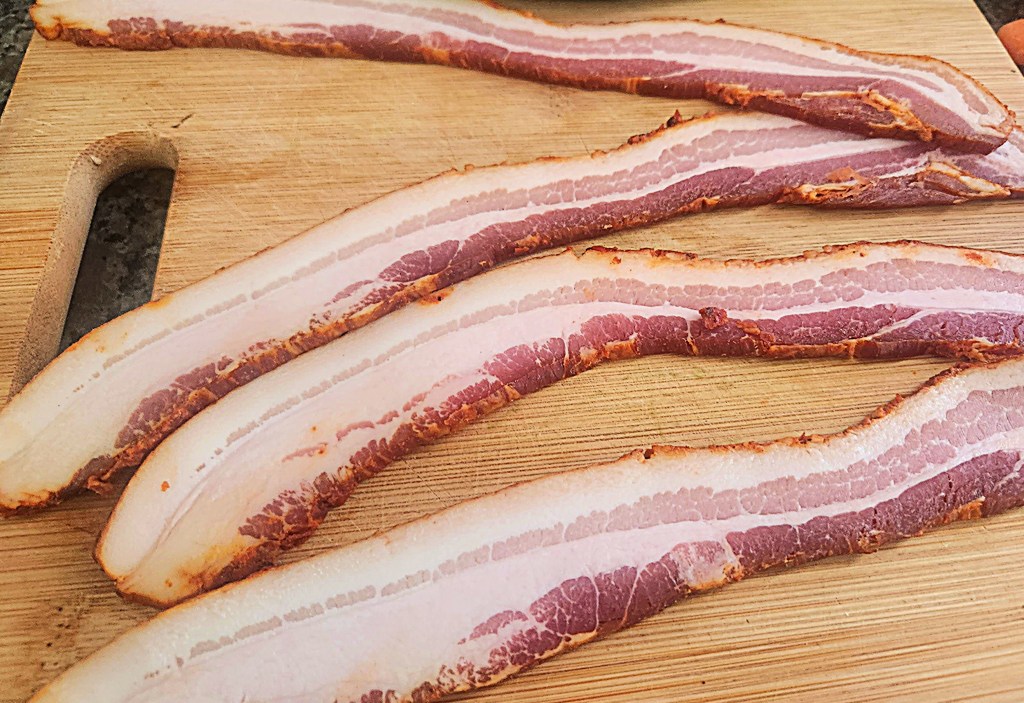
4 slices good-quality bacon
1 large leek, well cleaned
3 bay leaves
3 tablespoons of flour
1/2 cup dry red wine
1/2 cup chicken stock
2 tablespoons heavy cream
1 and 1/2 tablespoons wholegrain mustard
1 tablespoon apple cider vinegar
1 egg
METHOD
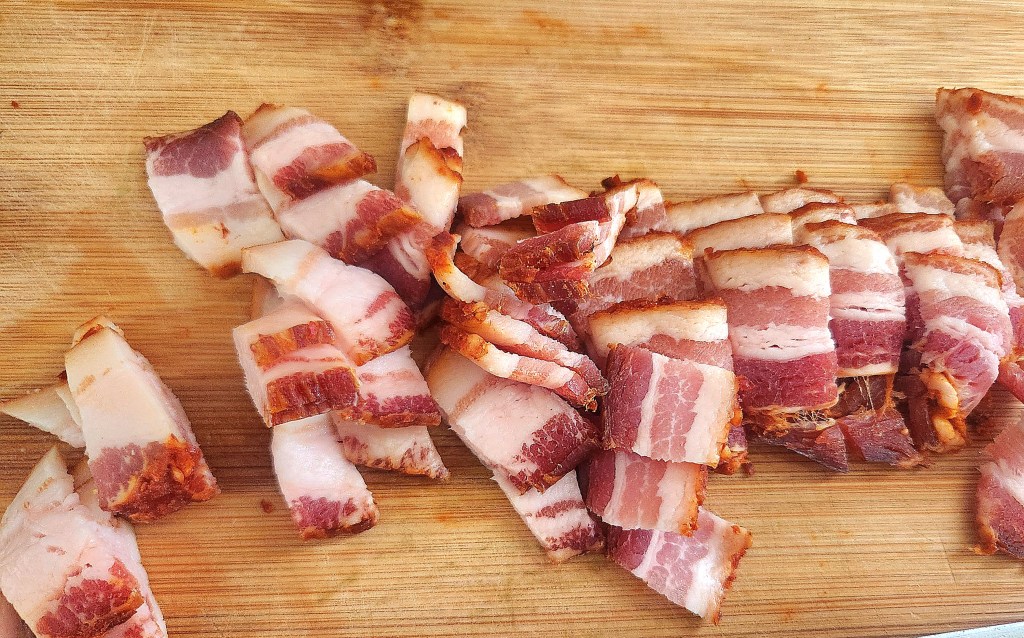
Heat the butter and the olive oil in a skillet cook the bacon for about a minute.
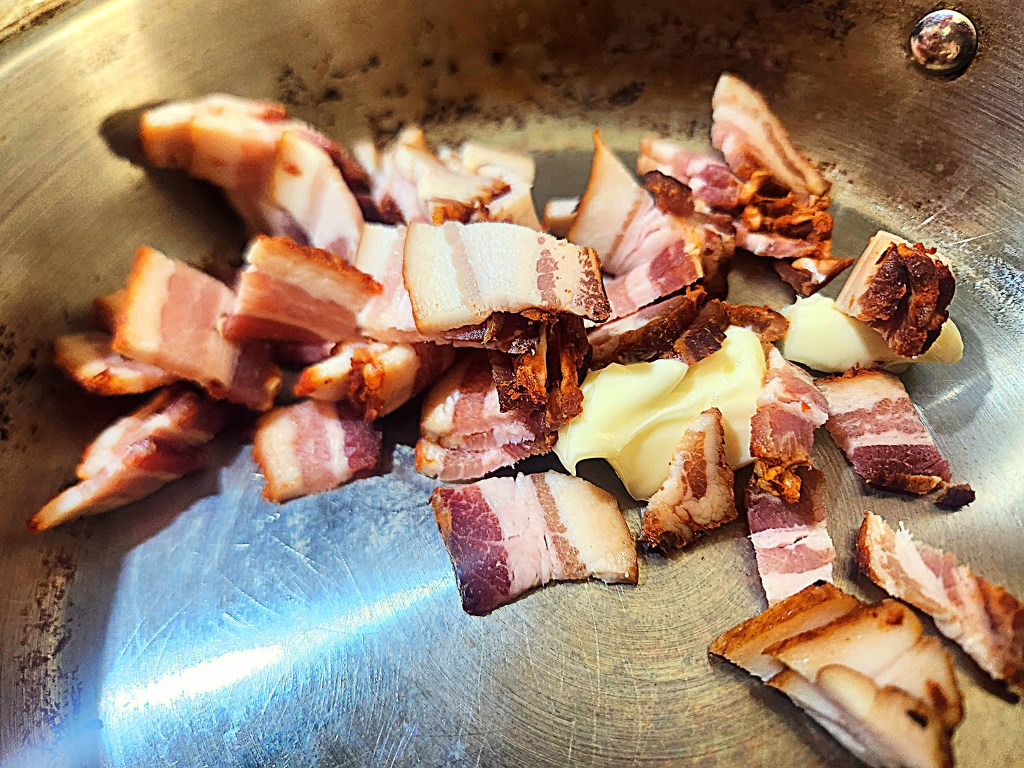
Add in the chopped leek, carrots, celery and bay leaves and cook for another 5-7 minutes.

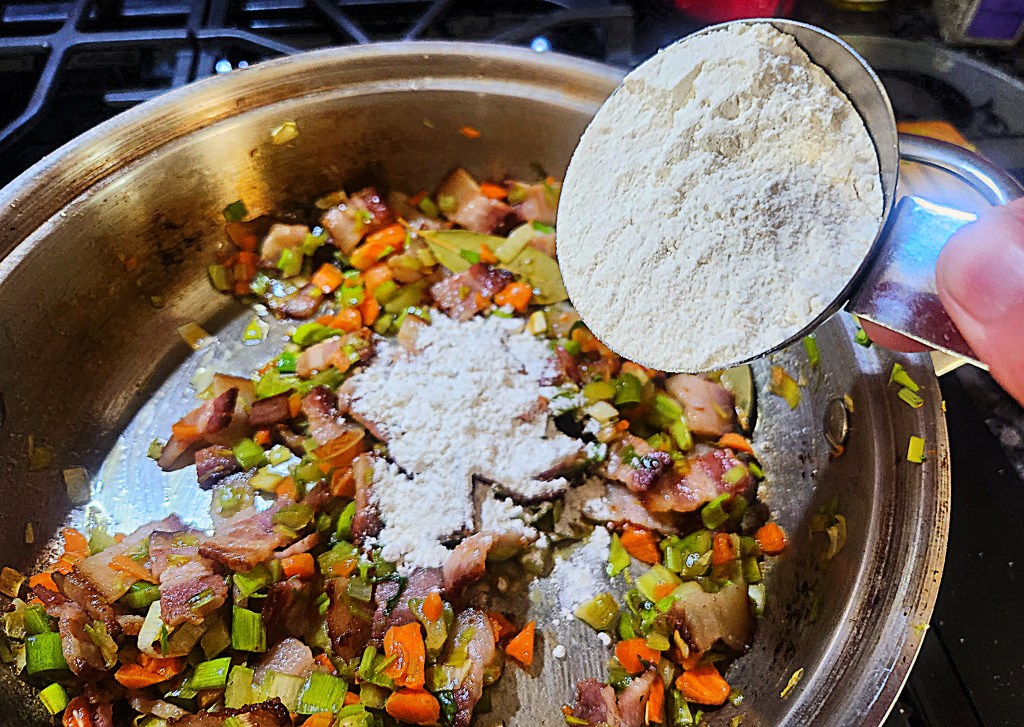
Stir the flour into the vegetable mixture until it coats everything, then pour in the red wine, turn down the heat and simmer.
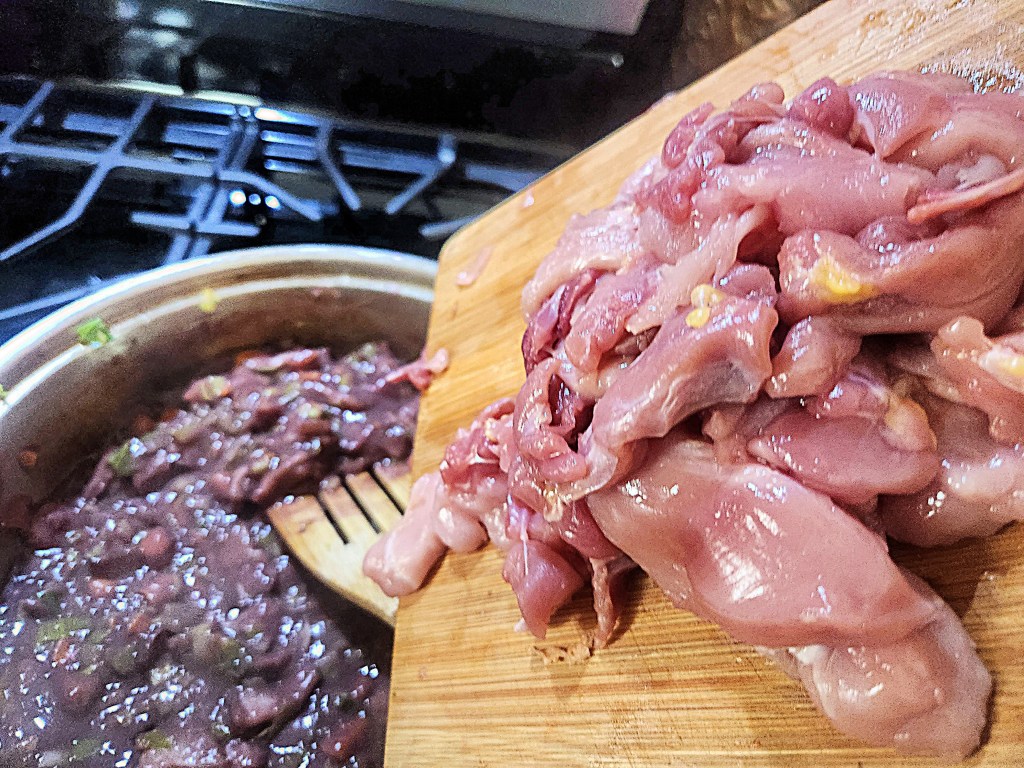
Add the pheasant meat and stir so that it gets coated with some of the floury wine and brown it for about 5 minutes.
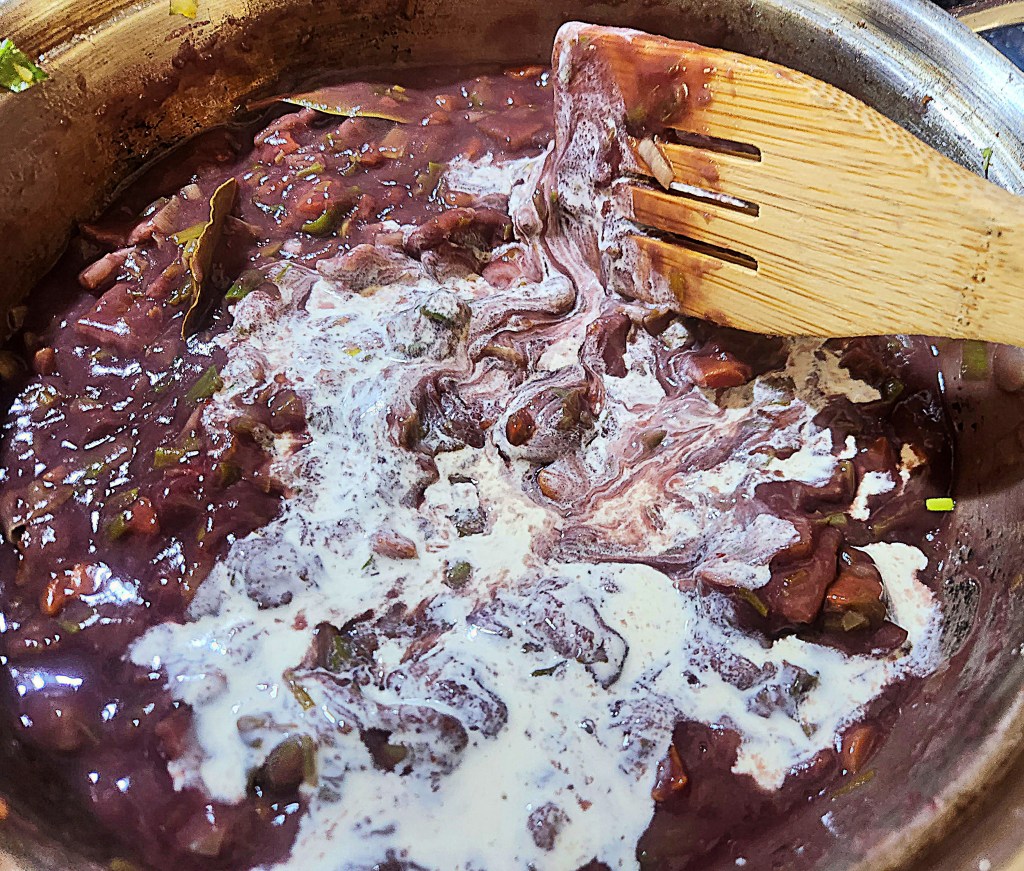
Add in the chicken stock and the cream and stir well. Taste for seasoning and add salt and pepper as needed. Simmer for about 10-15 minutes.
Stir in the cider vinegar and the mustard, taste again, then remove from the heat and let cool and thicken a bit.

Heat the oven to 400F and pour the meat mixture into a large pie dish.

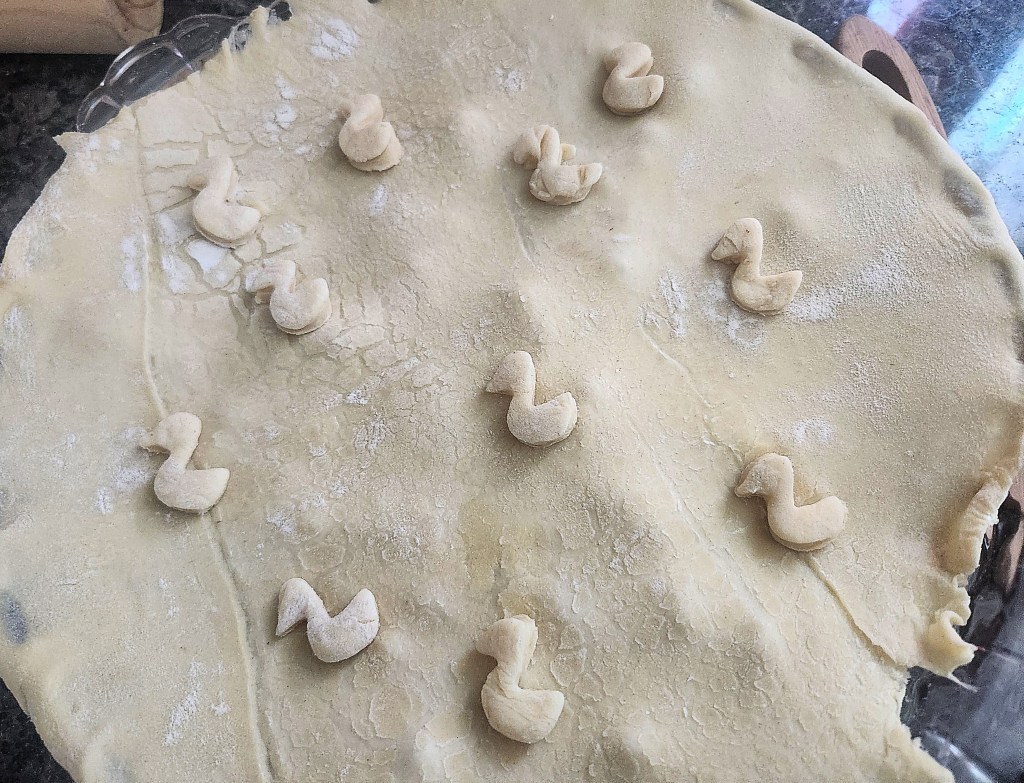
Roll out the puff pastry on a floured surface, place over the meat mixture and cut off the excess, then crimp the edges. If you want to be totally cheesy, use a mini cookie cutter to cut little bird shapes (pheasant, of course!) from the extra raw dough and place on top of the pie. Brush with beaten egg and bake for 40 minutes.
Let cool about 5 minutes before eating with a glass of dry red wine and be glad you don’t have to communicate with hand gestures, or worse, Tarot cards!

 Food In Books
Thank you for an excellent post! I will put this book on my TBR list!
LikeLiked by 2 people
Thank you so much, Charles!
LikeLike
…the first deal though comes to mind remains Rashamon. Of course, another good post.
LikeLiked by 1 person
Grazie, Bob! 😊
LikeLike
…I’m thinking at the moment that inspector Montalbano, rather famous in Italy and fairly known in the UK and other places likely more from the TV series than detective story novels, insistence on silence while eating was inspired from ‘Crossed Destinies’. I should read it again – though fun, it didn’t seemto be the … meatiest, so to speak, of Calvino’s stuff. One of the books covered for a paper in comp. lit., then the 2nd time read by me, when brought up to the prof we both sort of smiled and he said ‘…well, someone was going to do it so Italo got to it first.’ Sort of a shame what would happen to notions there in IC’s and others works,that is the hyper-simplification and removal of flavor, nuance and, well, truth (and representation in concordance and accordance with changing models of the universe) in what was in line with, but stepping into a neater direction, post modernism. A sort of post-post modern, sticking to such terms, now so derided and with dirisible articulated expressions and applications… in effect (allusion to Buzzati intended,) deservedly so. The only author I’ve come across since who slides into that flavor, aside from some Argentinians partially so, and maybe what’s his name, the turk….need to google- Pamuk, though his is a quite different affair (and who,I think, won the nobel because for whatever dumb reasons Calvino did not,)- is Murakami. That sort of lightness, leggerezza, isn’t understood sometimes…
LikeLiked by 1 person
Ok, reading that just gave me the worst flashback to graduate school that I’ve had in awhile. You sound exactly like my former graduate advisor, who was also a huge fan of Calvino. In terms of the symbolism of the work, I find the allusion to Pamuk fairly accurate, particularly when comparing his book My Name Is Red to this one. However, I make it a point not to read from a literary theory standpoint, because for me, it takes all the fun out of it.
LikeLiked by 1 person
I can only say, “Brava!” for I now, finally understand what all the hoopla is about Italo Calvino. AND I have a new recipe to try. They just loved pies of exotic game back in the Middle Ages, didn’t they? Perfect choice. And maybe now I will pick up one of Calvino’s books again and try to understand what it is that he has done, in my own, English-literature-minor-as-an-undergraduate limited way. Once again, “Brava!”
LikeLike
Sounds like an amazing book!
LikeLiked by 1 person
Thank you! Yes, it is quite a read. Very entertaining and philosophical at the same time.
LikeLiked by 1 person
Dear, not an easy task to read a novel and descrive a style of writing, as Italo Calvino’s The Castle Of Crossing Destinies, and on top of that ,come with a recipe as cooking Pheasant!
And do a great post with all those things involved, sort like cooking a great dish, I tip my hat to you!
LikeLiked by 1 person
You are so very kind! Thank you!
LikeLiked by 1 person
Amazing review and recipe as always 🙂 This book sounds intriguing, and yes, years of graduate student literary theory have me traumatized as well.
LikeLiked by 1 person
Amen! No more literary theory EVER!
LikeLiked by 1 person