
I will be the first person to say that I never cared for Gone with the Wind. The book, people, not the film! But yes, I found GwtW just so sentimental and racist, though I do understand that it was written from the perspective of a white woman who lived in the South and who reflected the culture and viewpoints with which she was raised. However, I don’t think you could make an effective argument against its racism, glorifying plantation owners and villifying freed slaves the way that it does throughout. If you want to argue that I am viewing the book through my own socially liberal lens, you’d be right. However, others far more intelligent and well-read than me are in agreement about the level of bigotry within its pages.

That being said, when I read that historical romance author Alexandra Ripley had been tapped to write the long-awaited continuation of the story, titled Scarlett: The Sequel to Gone with the Wind, I immediately went out and bought it. The story starts with the funeral of Melanie Wilkes, in the aftermath of Rhett abandoning Scarlett. Scarlett, in my opinion, is written much more interestingly and sympathetically in this novel, which to me makes her much more of a well-rounded character. I found her to be rather one-sided as a spoiled young girl, then spoiled wife and mother, in GwtW, so to see her evolve as a character really kept me engrossed in the story. Her character does start off as still being a spoiled, headstrong brat but you can see how she grows up, which she definitely did not in GwtW.
A lot of the criticism leveled toward this sequel revolves around many readers’ dislike of how Scarlett changes, which to me is the entire point. How could she have remained an interesting character if she didn’t evolve? We all change in life, and yes, most of us also become much more who we already are. Scarlett, at her core, is a Southern belle and will always be. But she also goes through some terrible pain in her life, loss, grief, all those things that both wound us and temper our cores into steel. Her character became far more fascinating because she had to change. If she remained a spoiled brat throughout the sequel, how boring that would be.
As well, this book is not as inherently racist the way that GwtW is, though there are a few questionable passages reflecting Scarlett’s thoughts that I did not like. However, this book was written from a more modern viewpoint in which slavery and racism are not glorified nor held on a pedestal, and in some ways, are subtly condemned, a far cry from Mitchell’s writing.

Scarlett, of course, is intent on winning back Rhett. Her determination to reclaim his love takes her on some amazing journeys, both physically and emotionally, as her selfish heart and small-minded viewpoint expand. She follows him from Atlanta back to his hometown of Charleston, where he is trying to get back into the good graces of Charlestonian society after he burned his bridges before the Civil War. Scarlett meets his mother and other family members, and it’s here that she truly begins to understand the man that he is and the forces that shaped him. I feel that this is where her real transformation starts.
Scarlett and Rhett take a boat ride one afternoon soon before she has told him she will leave, after he continues to push her away. They are nearly drowned in a sudden storm, and having found shelter on a small inlet nearby, they make passionate love. Scarlett thinks this will reunite them, but Rhett again cruelly pushes her away and she leaves to Savannah to stay with her maternal grandfather, a real bastard if ever there was one. She befriends several of her father’s Irish cousins as well, and impulsively decides to travel to Ireland to meet her father’s elderly mother Katie Scarlett. While in Ireland, she discovers that she is pregnant with Rhett’s child, but also that he has divorced her for “abandonment.” Devastated, she begins a new life in Ireland, purchasing one of the family’s old historic estates that had been sold many years before and recreating herself as an Irish widow with her daughter Cat.
The time in Ireland is my favorite part of this book. The descriptions of that country are absolutely beautiful, but also this is where Scarlett learns to be truly herself, and for the first time in her life, finds contentment in being a mother and happiness from establishing her own identity and her own way in the world. She comes to be known as “The O’Hara,” an honorary title given to the head of the family. She is the hero of her impoverished Irish family when she takes over an entire estate town and gives many people jobs. She is introduced into fine Irish society where she is sought after by many men who are drawn to her beauty, elegance, and of course, money.
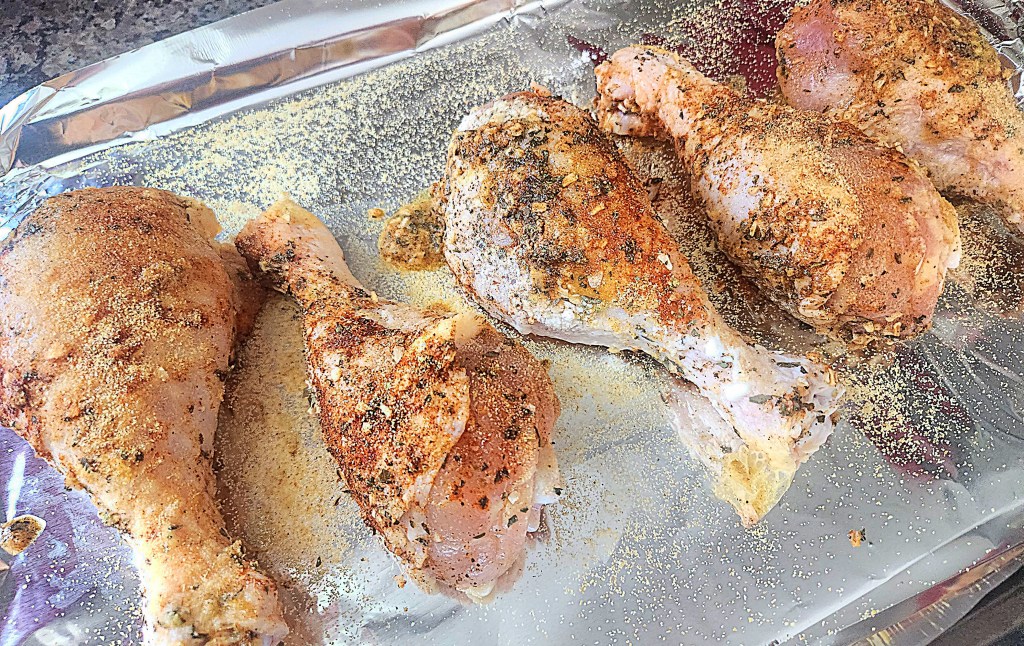
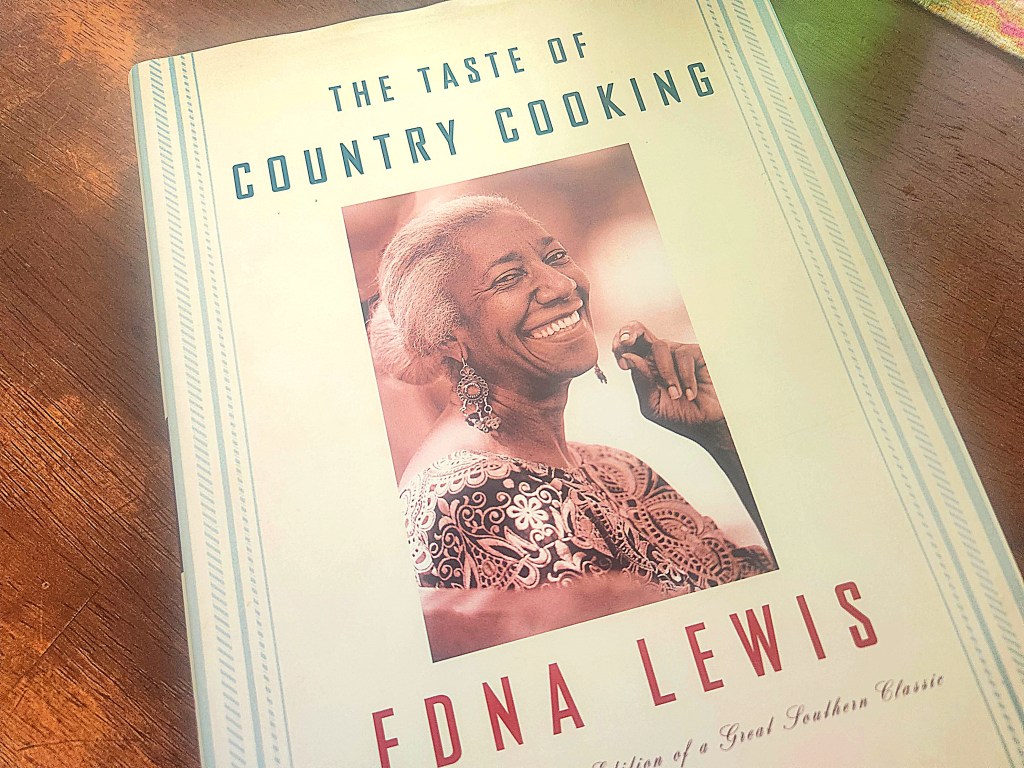
At her core, though, Scarlett always loves the South where she was born and her heart remains deeply in love with Rhett, as much as she tries to forget him. Their path cross here and there in the oddest places – from the deck of a ship in the Charleston port, at the Galway horse races in Ireland, at an Irish estate whose owner Scarlett has befriended, and most poignantly, at a ball for the Irish Viceroy, to which Scarlett is invited as being newly introduced into high society in Dublin. She is surprised during the dancing when Rhett sweeps her away for a waltz after she meets the Viceroy, telling him “back in Clayton County, they’d say we were in high cotton.” That connection with her past, her culture, the South, and her love for Rhett are at the core of who she is and remain with her throughout the story arc. And being that she finds herself missing Southern food, I thought that recreating one of the most quintessential Southern dishes of all time from the quintessential Southern cook would be perfect to go with this book. So here is the late, great Edna Lewis’s famous tomato gravy served over her buttermilk biscuits and with some Southern-style baked chicken.
INGREDIENTS
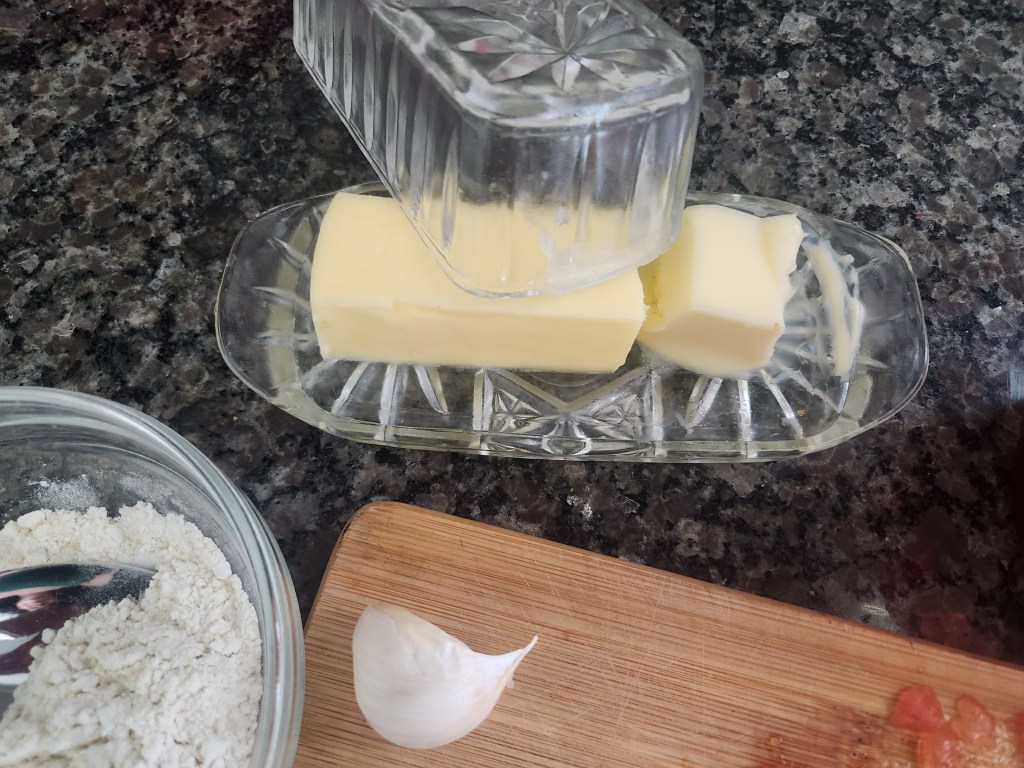
2 tbsp. butter
1-2 tablespoons of the oil and juices given off by the roasting chicken
1/2 cup onion, diced
2 cloves of garlic, minced
Salt and pepper to taste
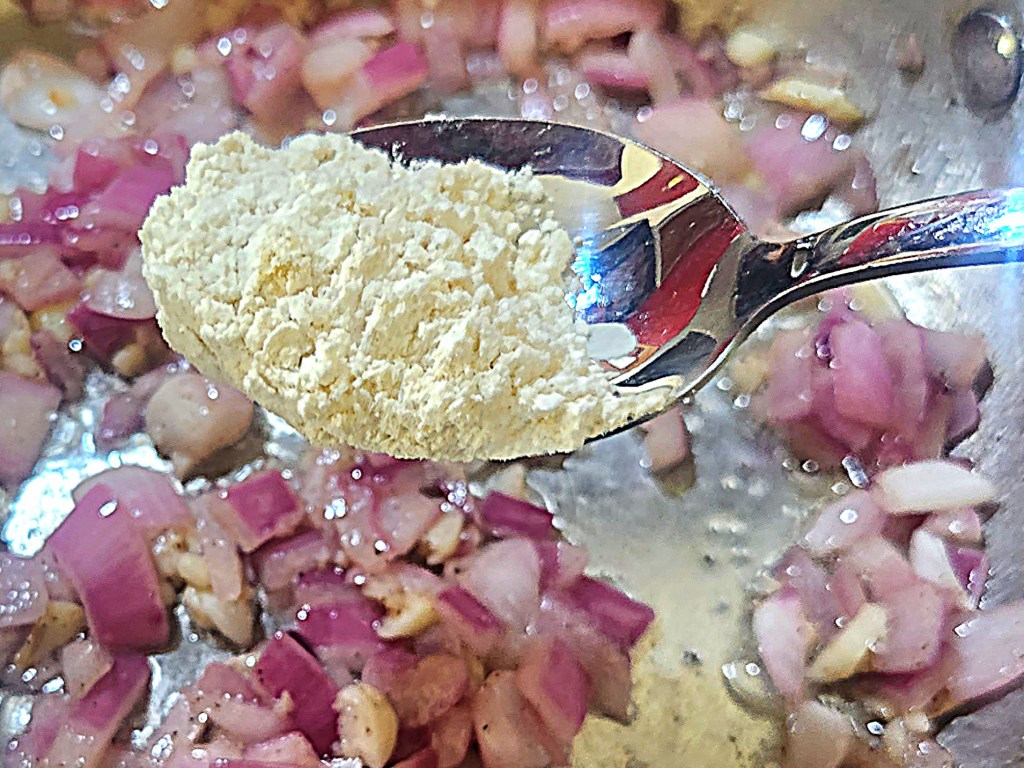
1 tablespoon all-purpose flour seasoned with powdered chicken bouillon
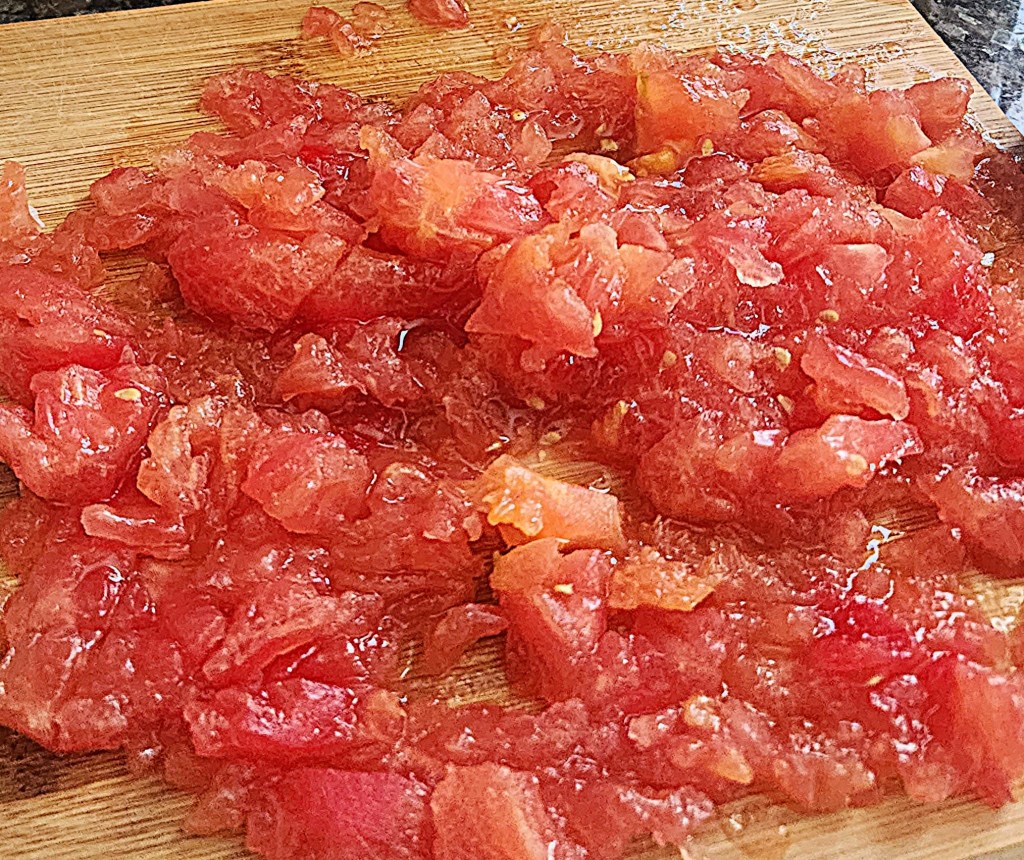
4 medium-sized ripe tomatoes, peeled, stemmed, seeded and roughly chopped
1 cup milk
METHOD
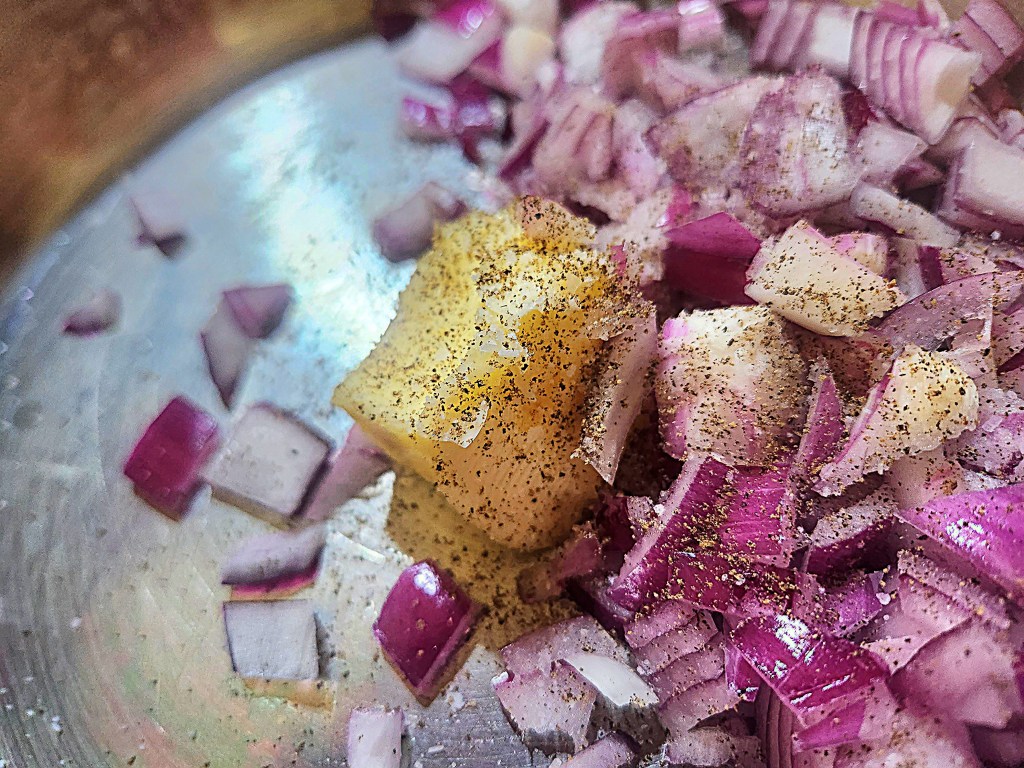
In a heavy skillet, melt butter and sauté the onion and garlic together for about 7-10 minutes. Season with salt and pepper.
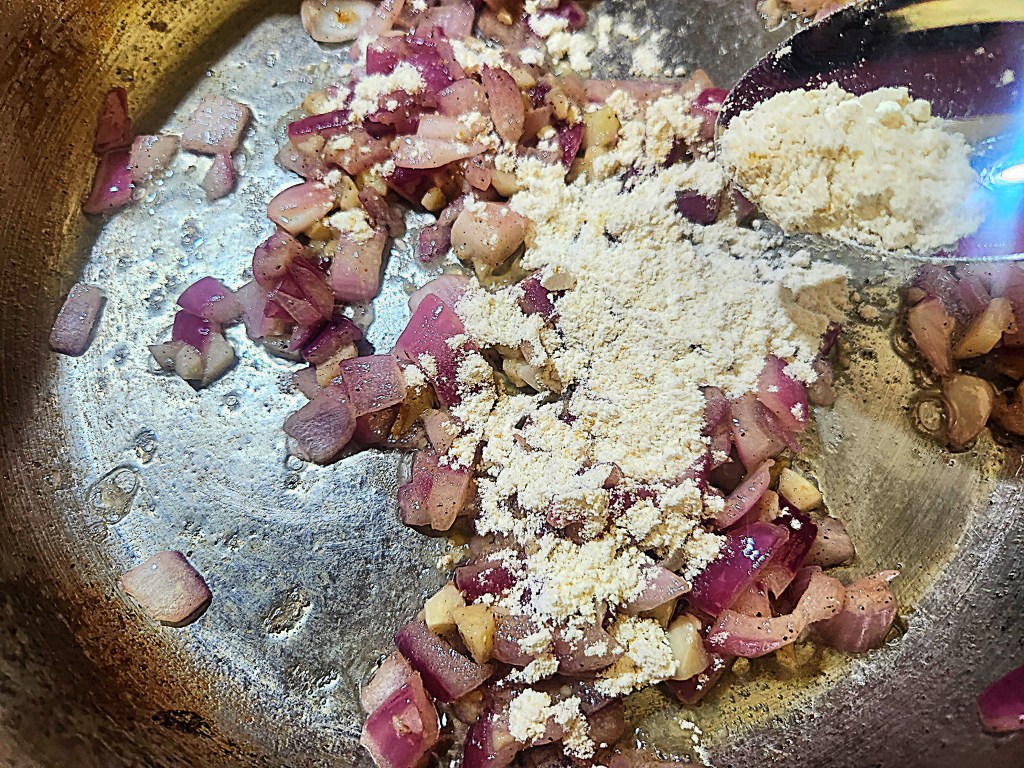
Sprinkle the flour over and cook, stirring well for another couple minutes.
Stir in the chopped tomato and cook for five more minutes.

Slowly add the milk and bring to a simmer, then cover and cook on low for about 15 minutes or until it thickens into a gravy.
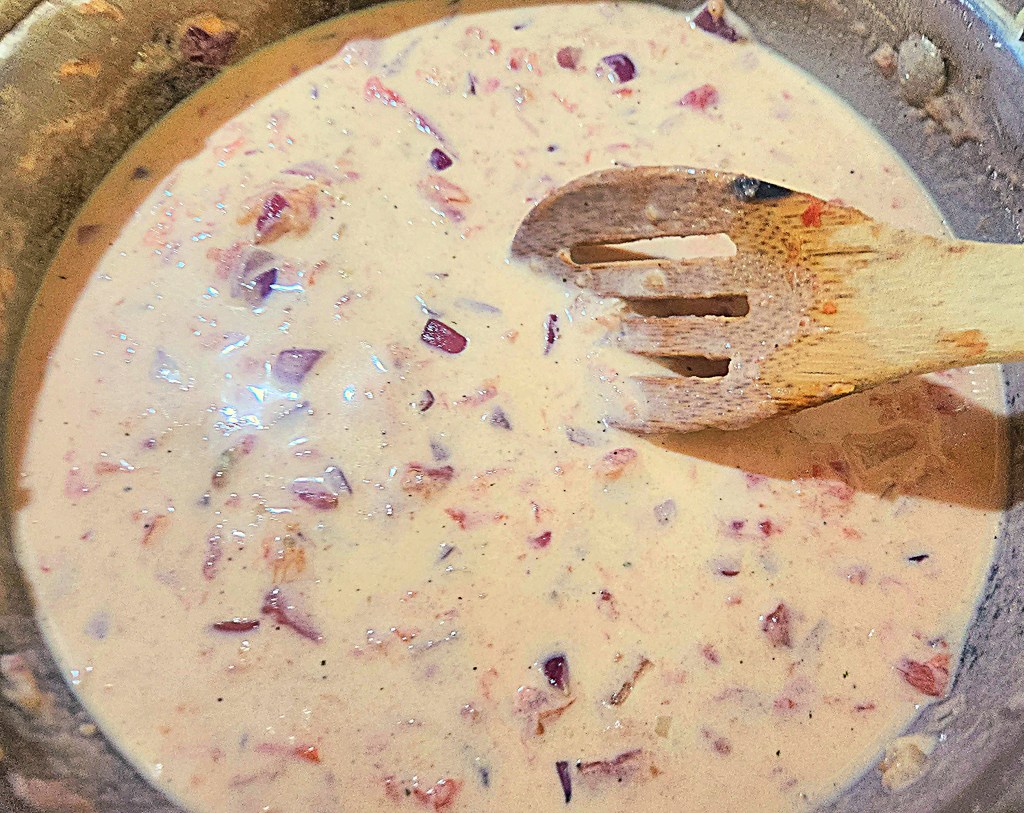
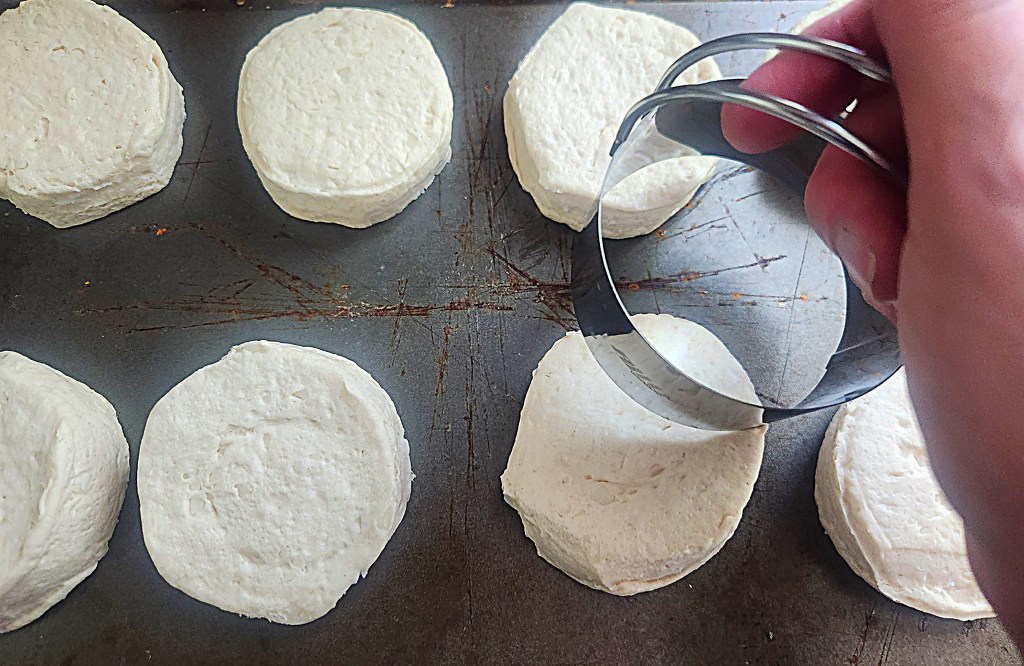
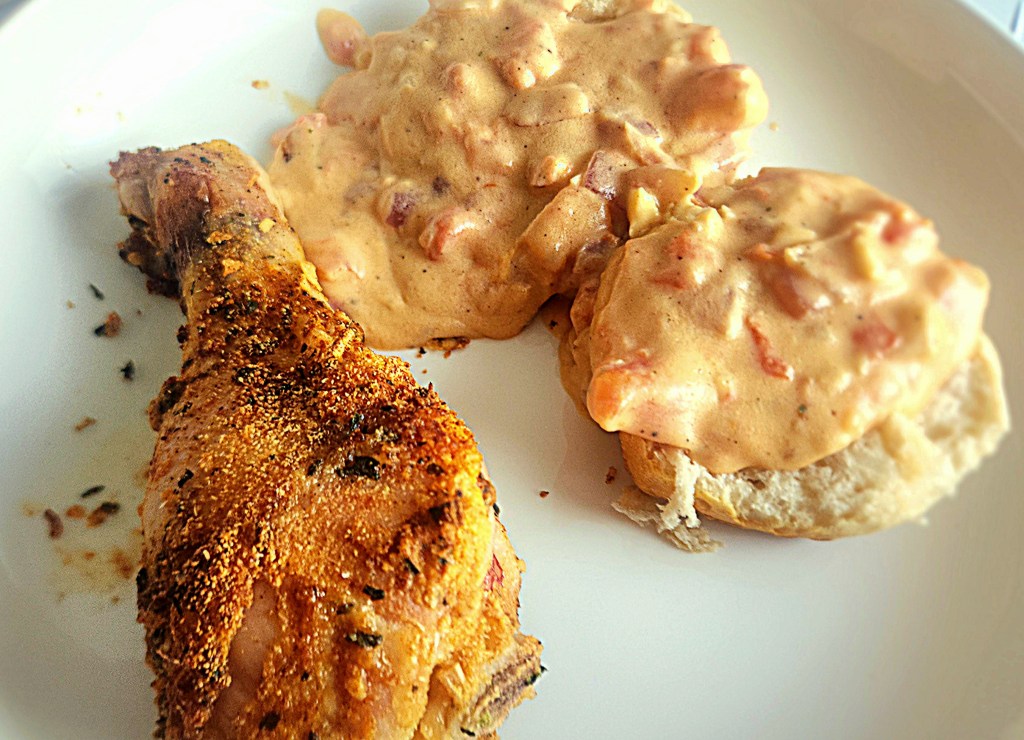
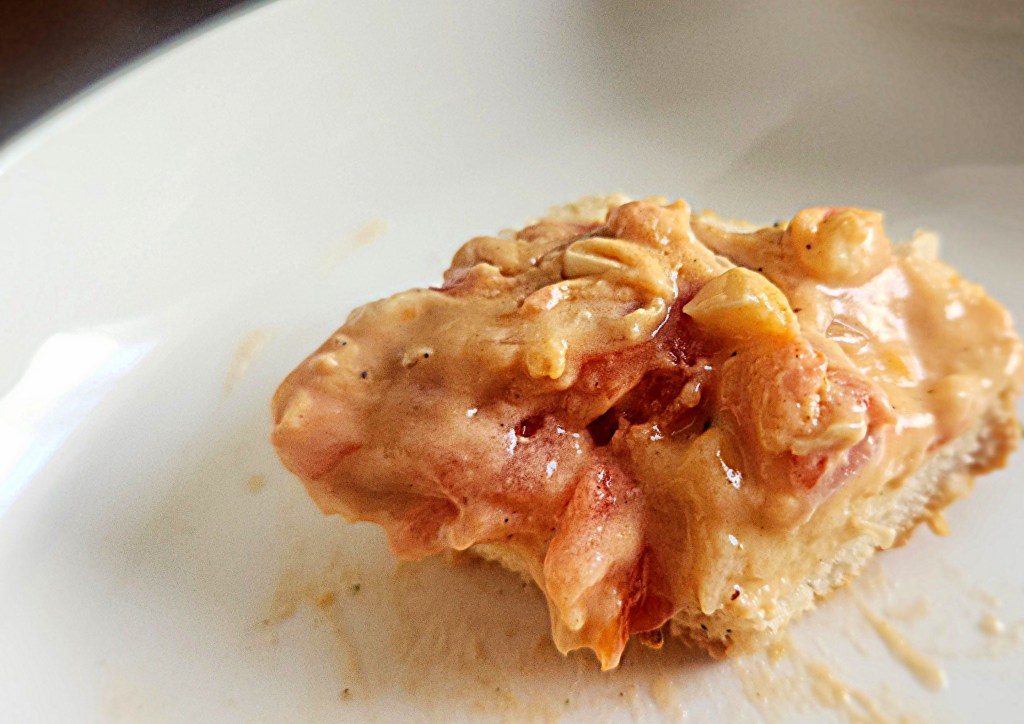
Serve warm poured over freshly baked buttermilk biscuits and your Southern-style baked chicken drumsticks.
And yes, Scarlett gets Rhett back in the end. She damn well better! And BTW, see what I did there? Damn? Damn well better? I don’t give a damn? Oh never mind.

 Food In Books
…inviting rec. Quite. And another good post, of course. By now they pretty much all are….
LikeLiked by 2 people
Why thank you, kind sir!
LikeLike
Talk about synchronicity! I’ve just read Gone with the Wind and only yesterday I was wondering if there was a sequel, as Scarlett had been left in such a miserable state at the end. The racism does make uncomfortable reading but I couldn’t help admiring Scarlett for rebelling against the hidebound attitude towards women and starting her own successful business.
I’ll have to get the sequel now I know there is one!
LikeLiked by 1 person
That’s so wonderful that you are going to get to experience this book for the first time. I really enjoyed it, particularly as she goes through her transition and really starts to finally grow up.
LikeLiked by 1 person
Thank you for the blog – all most interesting. I saw the film GWTW when very young and loved it for many reasons, but didn’t read the book. On second viewing, being older, I agree with your comments, but appreciated the great acting and rich drama of the setting and story. And who doesn’t like food?! It all looks very inviting…(joylennick@gmail.com)
LikeLiked by 1 person
Good morning! I’m so glad you enjoyed the post. I’m exactly the opposite in the sense that I loved the movie but hated the book, and in this case with the sequel, I loved the book but I hated the TV mini series. And there is some wonderful food mentioned in this book, both from the American South and from Ireland.
LikeLike
What a great post! I never cared for Gone With The Wind either, and for those same reasons you list. I haven’t read this book, but Scarlet sounds like an improvement from before. Your tomato gravy looks so good, too. I’ve never had the nerve to try and make buttermilk biscuits before but I think you inspired me. Thanks again for this great blog.
LikeLiked by 1 person
Thank you so much! I think you’ll really enjoy this book. And the buttermilk biscuits were dead easy so don’t be intimidated.
LikeLike
What a beautiful post I was literally on the edge of m Seat throughout your narration! And I was trying to guess what the final dish was going to be! Don’t you just admire Edna Lewis!
Being a child of the north gone with the wind actually helped me to understand what racism was… And is. I read the book when I was very young… Pretteen. I remember how outraged I was.
Mollie
LikeLiked by 1 person
I’m so glad you liked the post. You were not the first person who had said the same thing about the book. I suppose we can read it from the perspective of the time in which it was written. But we don’t live in that time, thank God. And yes I absolutely adore Edna Lewis. Such a strong woman and an amazing chef.
LikeLiked by 1 person